
Krea vs Higgsfield vs Pimento: AI VFX and retouching
VFX and AI Retouching: The New Creative Frontier for Agile Brands Creating impactful visual effects (VFX) and professional-quality photo or video retouching was traditionally the exclusive domain of specialized studios. However, the…

Jean-Baptiste DuquesneSEO, GEO & content operations · Published 16 May 2025 · Updated 12 October 2026
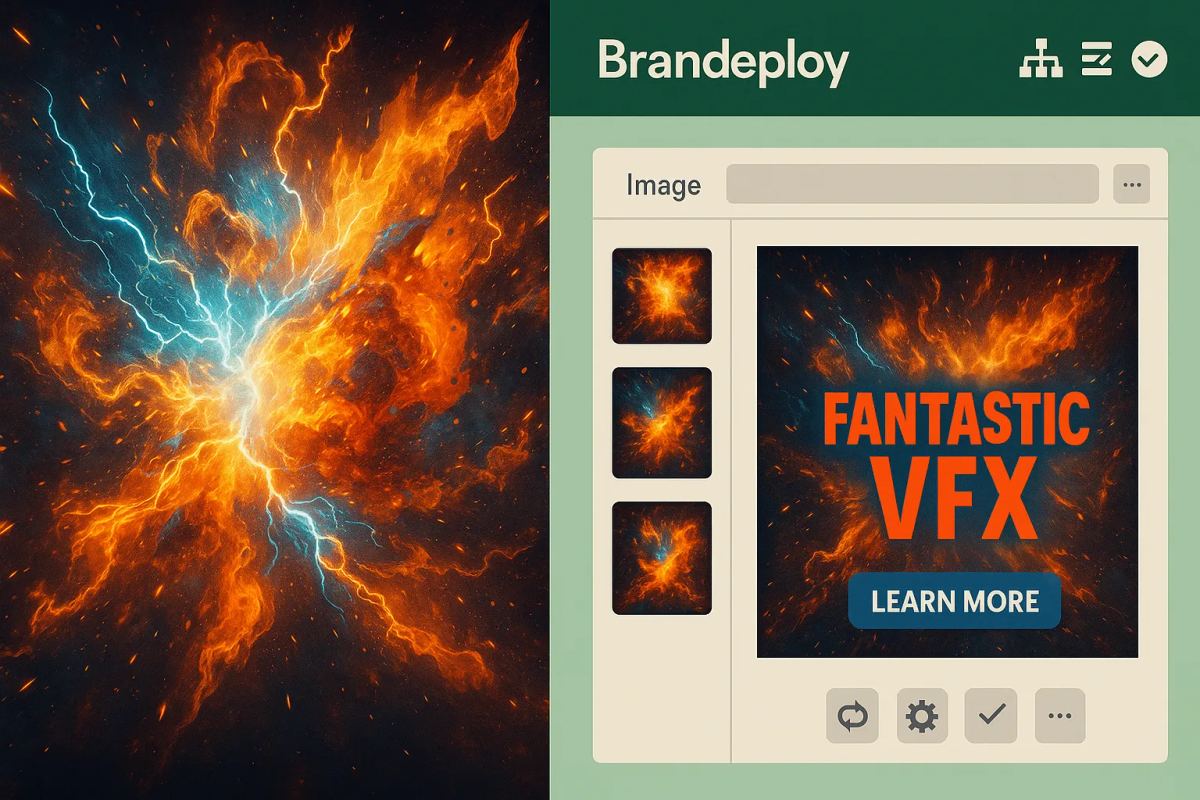
VFX and AI Retouching: The New Creative Frontier for Agile Brands
Creating impactful visual effects (VFX) and professional-quality photo or video retouching was traditionally the exclusive domain of specialized studios. However, the emergence of AI algorithms is radically changing the game. Modern platforms are democratizing these capabilities, moving from manual frame-by-frame editing to AI-augmented creativity where complex transformations happen in seconds, often relying on training approaches such as supervised vs. unsupervised learning to refine results.
Democratizing Visual Effects and Style Transfer
The rise of tools like Higgsfield, Krea AI, and Pimento represents a shift toward more accessible production. By leveraging modern generative models, brands can now generate studio-quality fire, smoke, or metamorphosis effects from simple text prompts. This level of automation allows small teams to produce high-fidelity content, similar to how Runway is changing video special effects.
Leading AI Tools: Higgsfield, Krea AI, and Pimento
Each platform brings a unique strength to the production process. Higgsfield excels in generating dynamic VFX, while Krea AI offers a comprehensive suite for image manipulation and video upscaling. High-resolution output is no longer a bottleneck thanks to AI upscaling, which helps brands avoid the low-quality AI content often found on the web.
Pimento focuses on visual consistency, allowing users to train a specific style. This is a crucial step in adapting your brand strategy to AI, as it ensures that the generated aesthetics remain unique to the brand rather than looking like generic AI output. Such tools are increasingly being connected via APIs to streamline the creative pipeline.
The Challenge of Control and Brand Governance
While the speed of these tools is impressive, deploying AI in a corporate environment requires strict supervision. Brands must address ethical questions and the risk of AI hallucinations that could compromise visual integrity. Implementing AI governance provides the framework needed to maintain a professional image.
Maintaining global brand consistency becomes difficult when multiple teams use different platforms. Without a centralized hub, the risk of shadow AI is high. Data analysis can help identify which visual styles resonate best, while production stays governed by predefined rules.
Advanced Capabilities: From Upscaling to AI Avatars
Beyond simple filters, these technologies enable AI avatars in enterprise settings to inhabit cinematically retouched environments. This fusion of AI and content creation allows for personalized video messages with professional VFX at scale, pushing the limits of realism. Future creative skills will involve mastering these generative tools to bridge the gap between imagination and execution.
For sensitive industries, security and privacy remain paramount when processing brand assets.
Brandeploy: Mastering AI Creativity within a Secure Framework
Brandeploy acts as a centralized creative automation platform that empowers brands to use cutting-edge tools like Higgsfield or Krea AI without losing control. Visuals enhanced by these generative engines are seamlessly imported into Brandeploy’s intelligent templates, which automatically apply mandatory brand elements, watermarks, and legal disclosures. This ensures that every high-tech visual follows the company's official approval circuit before distribution across global markets. Brandeploy orchestrates the entire localization and adaptation process, turning raw AI outputs into polished, compliant brand assets. If you want to scale your visual production while maintaining perfect brand integrity, book a demo of the Brandeploy platform today.
FAQ
What is the difference between traditional retouching and AI retouching?
AI retouching uses machine learning algorithms to automatically enhance images or videos. Unlike traditional manual editing, it can perform complex tasks like generative fill, object removal, or lighting adjustments in seconds. This allows marketing teams to maintain high visual standards without the need for extensive technical training in complex software.
How does AI VFX benefit creative marketing teams?
Tools like Higgsfield and Krea AI enable brands to produce high-end visual effects and AI-augmented creativity without the massive budgets of VFX studios. This democratizes content production, allowing agile brands to create cinematic social media ads and immersive digital experiences that were previously cost-prohibitive.
How can I maintain brand consistency when using generative AI tools?
To ensure brand consistency, teams should use platforms that integrate AI tools into structured workflows. By using intelligent templates and centralizing approvals, brands can leverage AI for speed while ensuring that every piece of content respects established visual guidelines and AI ethics for businesses.
Can AI-generated VFX be professionally edited or refined?
While AI generates the initial effect or edit, human designers are essential for creative direction and content validation. Professional workflows often involve using AI for the heavy lifting, such as upscaling or style transfer, followed by manual refinement to ensure the final output meets specific strategic objectives.
What is each tool best at: Higgsfield, Krea AI or Pimento?
Higgsfield excels at generating dynamic visual effects. Krea AI offers a broad suite for image manipulation and video upscaling, which helps keep output at high resolution. Pimento focuses on visual consistency: users can train a specific style so that generated images stay unique to the brand instead of looking like generic AI output.

Written by
Jean-Baptiste Duquesne
SEO, GEO & content operations
Web pioneer since 1995, founder of the recipe site 750g.com (sold to Webedia), now industrialising SEO and GEO content production with AI.
Ready to scale your content production?
Book a demo